Rejuvenate and enhance the face from either aging, major accidents or medical condition
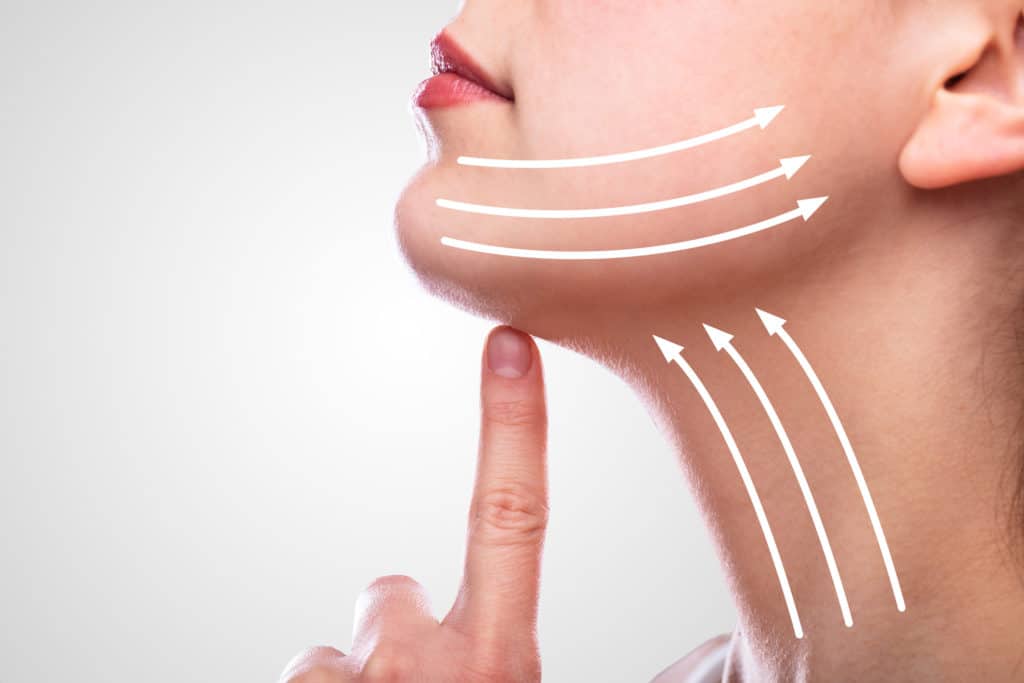
Restore youthful facial harmony with specialized procedures including face & neck lift, blepharoplasty, and fat grafting for refined, natural-looking rejuvenation.
Refined Rejuvenation, Natural Results
A face and neck lift is designed to address visible signs of ageing in the lower face, jawline, and neck. As skin loses elasticity and facial tissues descend over time, many people notice sagging skin, deeper folds, jowling, and loss of definition around the neck.
Rather than changing how you look, a well-performed facelift restores structure, contour, and balance while preserving your natural features.
Common Concerns Addressed
The Procedure
A face and neck lift involves repositioning deeper facial tissues and removing excess skin to create a smoother, more refreshed appearance. Depending on the individual, the procedure may be combined with:
Every surgical plan is tailored according to facial anatomy, skin quality, and ageing patterns.
Recovery
Swelling and tightness are expected during the early healing phase. Most patients gradually return to social activities within 2–3 weeks, with continued improvement over the following months as tissues settle naturally.
The Goal
The goal of a face and neck lift is not to make someone look “different.”
It is to restore definition, proportion, and a more rested appearance in a natural and balanced way.
Restoring Volume Naturally
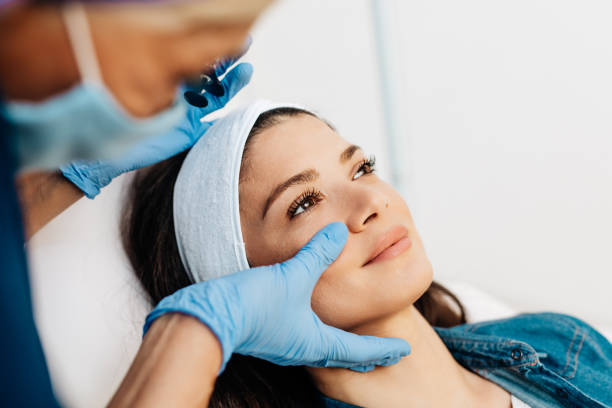
Fat grafting, also known as fat transfer, uses your body’s own fat to restore volume, improve contour, and rejuvenate areas affected by ageing, weight loss, or tissue changes.
Fat is typically harvested from areas such as the abdomen or thighs using gentle liposuction, processed carefully, and then re-injected into targeted areas.
Because the transferred tissue comes from your own body, it integrates naturally and feels soft and natural over time.
Common Areas Treated
Why Fat Grafting?
Unlike synthetic fillers, fat grafting offers:
The Procedure
The process involves three stages:
Precision is important to ensure smooth contours and proper fat survival.
Recovery
Temporary swelling and bruising are common both at the donor and treated areas. Results continue to refine as swelling settles and the transferred fat stabilises.
Natural Rejuvenation
Fat grafting is often used to restore softness and structure in a subtle way — enhancing rather than overfilling.
Skin Rejuvenation Using Your Body’s Own Cells
Nano fat grafting is an advanced form of fat transfer focused less on volume and more on improving skin quality and tissue regeneration.
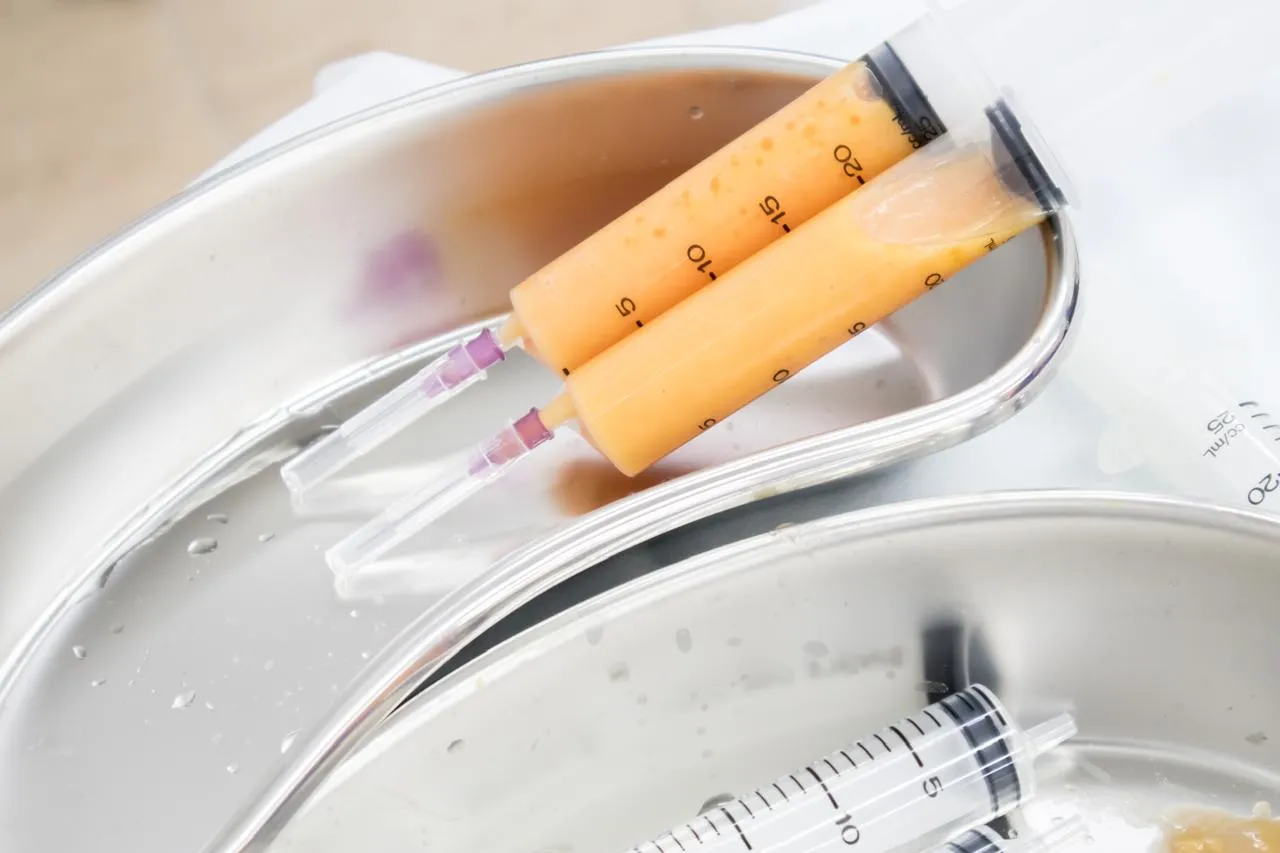
Unlike traditional fat grafting, nano fat is processed into a finer form rich in regenerative cells and growth factors. It is commonly used in delicate areas where skin texture, pigmentation, and quality are concerns.
Common Areas Treated
How It Works
Fat is harvested using gentle liposuction and processed into ultra-fine particles before being injected superficially into the skin.
The goal is not bulk volume enhancement, but skin rejuvenation and tissue improvement.
Potential Benefits
Recovery
Mild swelling or bruising may occur depending on the treatment area. Recovery is generally manageable, with gradual improvement seen over time.
A Regenerative Approach
Nano fat grafting combines aesthetic refinement with regenerative medicine principles — using the body’s own tissue to improve skin health naturally.
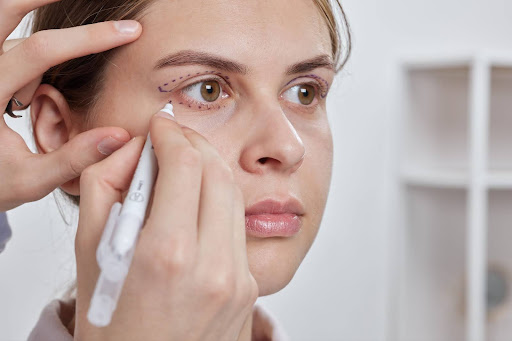
Blepharoplasty is a procedure that removes excess skin, muscle and underlying fatty tissue from upper eyelids to improve hooding of the upper eyelids and reduce bagginess of the lower eyelids. The main goal of the surgery is to rejuvenate the area surrounding the eyes, giving the eyes a brighter and fresher look, as well as improving vision from obstructive saggy eyelids. The tired look created by droopy eyelids is often a key complaint by many patients looking for rejuvenation.
The upper eyelid blepharoplasty procedure involves an incision within the natural crease on the eyelid, while the lower eyelid incision will be below the lower lash line.
Recovery
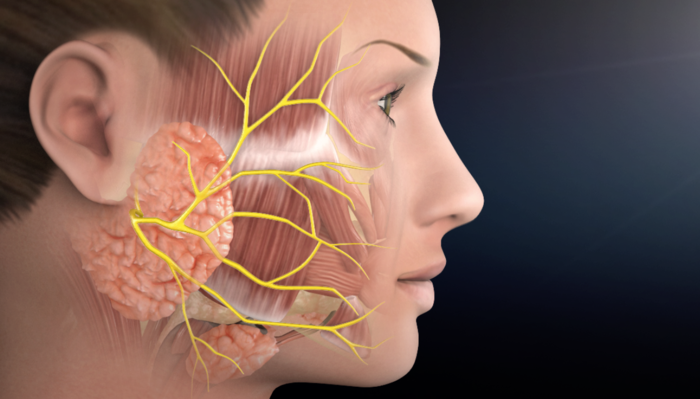
Parotid surgery is a procedure done to remove all or part of the salivary gland in the cheek, typically due to tumours of the parotid gland or recurrent infections of the gland. As tumours may increase in size over time, the removal of the salivary gland is crucial to prevent further damage on the facial tissue and nerve.
The parotidectomy procedure requires precision and care to identify and spare the facial nerve which controls the muscles and movement of the face.
Recovery:
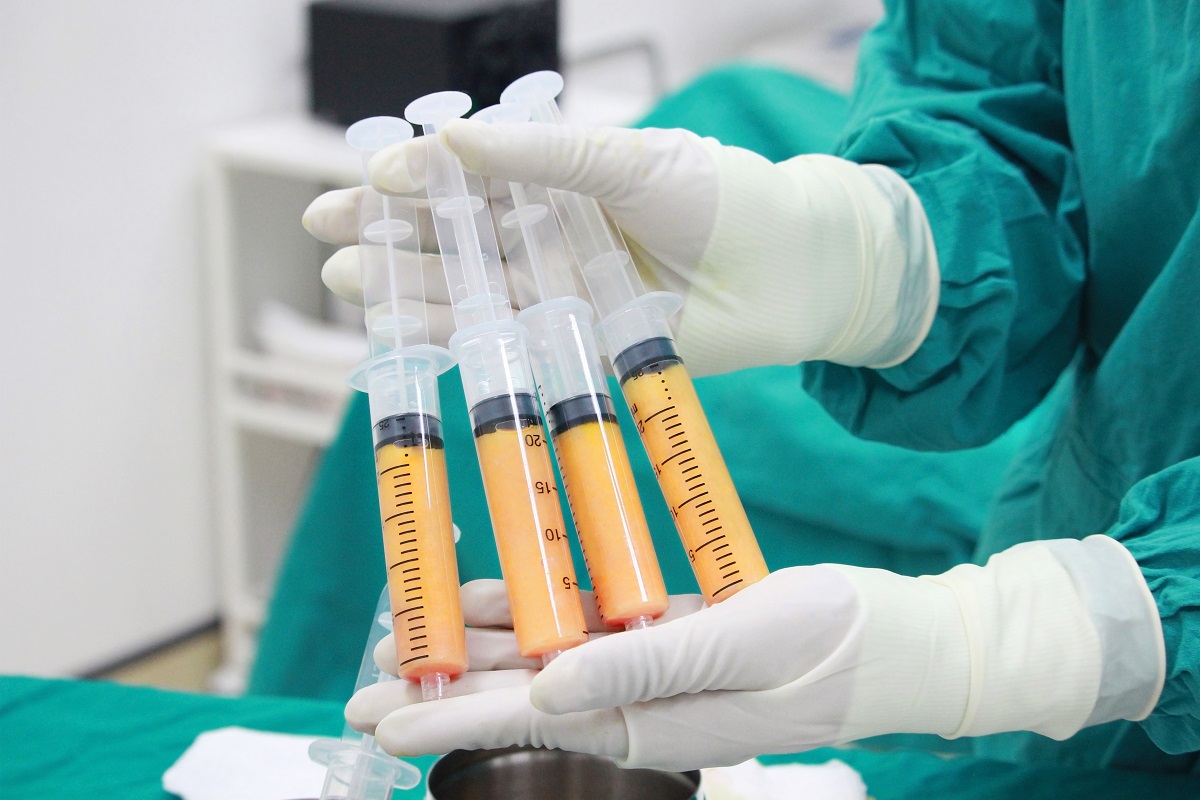
Lipotransfer, also known as fat grafting or fat injection, is a procedure involving transferring excess fat from areas such as the outer thighs for the purpose of filling and smoothening out depression or lines on the skin. Typically used as a filler for the face, breasts, buttocks or hands, the procedure also helps to make burn scars appear soft and smooth.
Recovery