
Compassionate, specialized care for facial injuries, scars, burns, and skin conditions—focused on restoring natural appearance, healthy function, and long-term confidence.
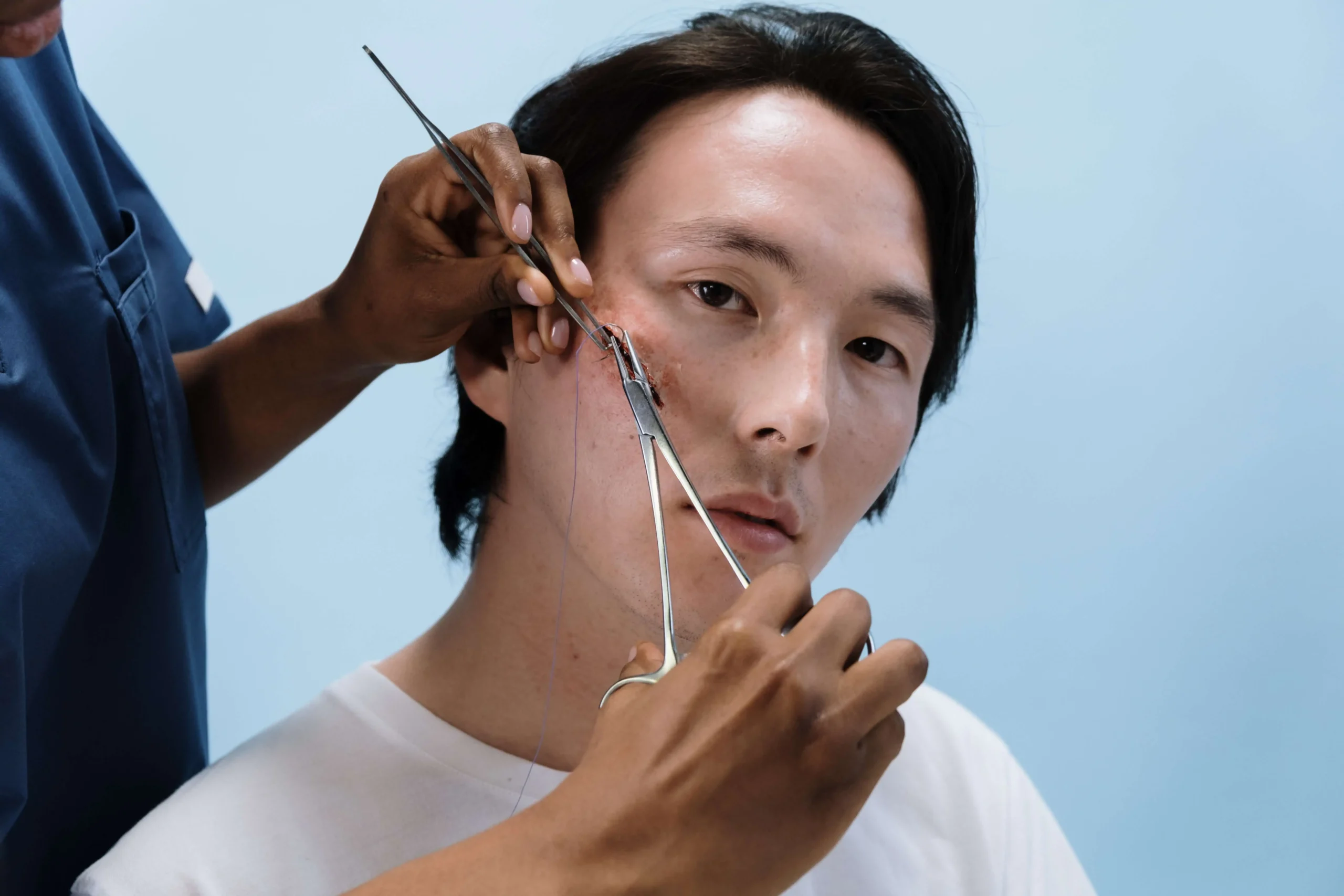
Expert care for facial injuries and conditions, including laceration repair, treatment for infections, keloids and scars, facial burns, and skin cancer management for safe, effective healing.
A laceration happens when the skin, tissue or muscle is torn or cut open. It is important to seek treatment to avoid intense scarring and infections. Depending on the type, size, shape, depth and structure of the wound, the treatment to repair lacerations usually includes cleaning and closing of the wound.
Laceration repair is needed when
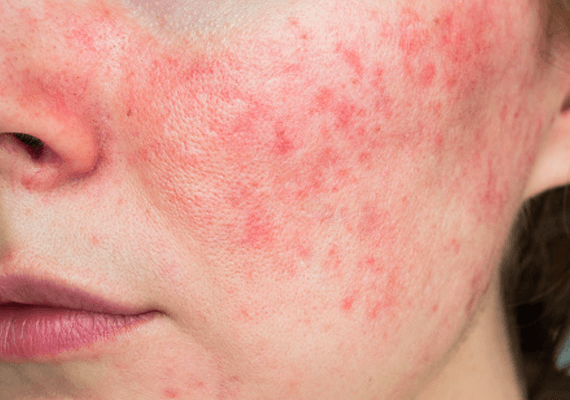
Facial skin infections commonly occur when bacteria, viruses, fungi or parasites enters through a cut or a break in the skin. Other factors such as diabetes, obesity, herpes, weakened immune system and skin conditions such as eczema may increase the risk of skin infections. Inflammation, pus formation (abscess) and other skin infections can also happen with an infected cyst or post aesthetic treatments. Infection could come de novo or in an existing problem like a cyst etc.
The symptoms of facial skin infection may vary depending on the type and severity of infection. Typical symptoms include rashes, redness, itching, swelling, pain, warmth or tenderness of the skin; in severe cases, pus, blisters, skin breakdown (ulcer) may happen.
Depending on the type and severity of the infection, treatments can include applying antibiotics creams or oral antibiotics or may need surgery to remove or relieve the infection.
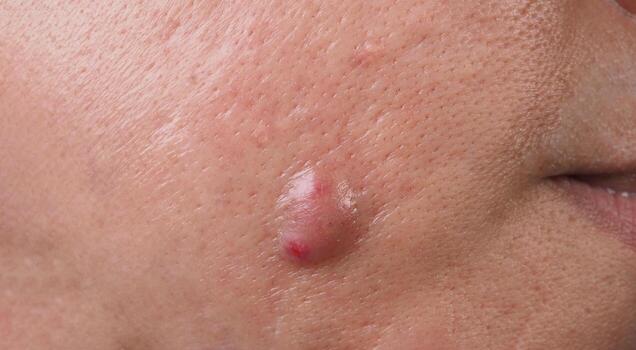
Keloids are raised scars that form due to an overgrowth of collagen during the healing process. They can be caused by acne, burns, surgery, or injuries. Symptoms include firm, raised, and thickened skin that may be itchy, tender, or painful. Keloids can be aesthetically bothersome and may limit joint mobility.
Corticosteroid injections can help keloid scars by reducing inflammation, suppressing collagen production, and softening the scar tissue. The injections are administered directly into the keloid, leading to a decrease in its size, flattening of the scar, and relief from symptoms such as itching and pain.
Keloid scar surgical removal involves excising the scar tissue through a surgical procedure. The procedure aims to completely remove the keloid, including any excess tissue surrounding it. However, there is a risk of recurrence, so additional treatments like corticosteroid injections or radiation therapy may be combined with the surgery to improve outcomes and reduce the likelihood of keloid regrowth.
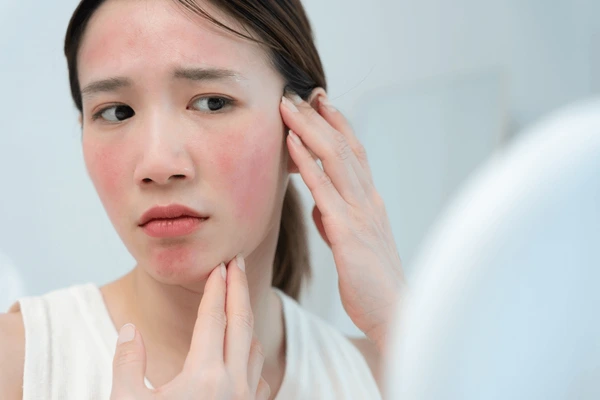
Facial burns can be caused by various factors such as fire, hot liquids, chemicals, or electrical accidents. The severity of burns on the face depends on the depth and extent of tissue damage. They can range from superficial burns with redness and mild pain to deep burns causing disfigurement, scarring, and functional impairment.
Facial burns management is adequate with first aid such as irrigation with cool running water for 20 minutes, followed by cool packs or wet packs.
You should seek medical treatment if:
Depending on the depth of the burn, treatments can be conservative with dressings or debridement, or skin grafting.
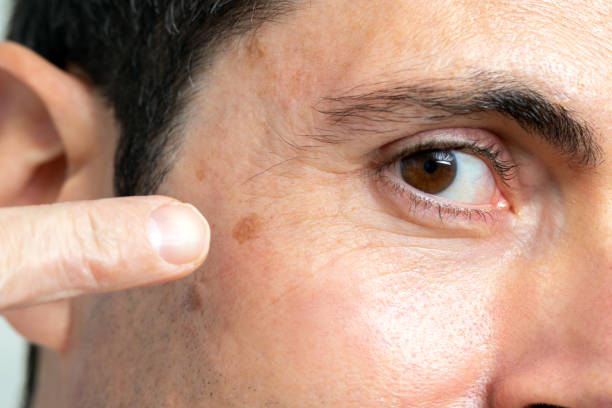
Skin cancer is a condition characterized by the abnormal growth of skin cells, typically triggered by exposure to ultraviolet (UV) radiation from the sun or tanning beds. The main types are basal cell carcinoma (BCC), squamous cell carcinoma (SCC), and melanoma
Skin cancers are diagnosed through visual examinations of the skin, followed by skin biopsies, where a small sample of the affected area is removed and examined under a microscope to determine the presence and type of cancerous cells.
The symptoms of different types of skin cancers vary. Basal cell carcinoma (BCC) often presents as a pearly or waxy bump, a pinkish patch, or an open sore. Squamous cell carcinoma (SCC) may appear as a firm, red nodule, a flat sore with a scaly crust, or a persistent ulcer. Melanoma can manifest as a new mole or a change in an existing mole, exhibiting irregular borders, color variation, larger size, and evolving shape. Other warning signs include itching, tenderness, pain, or bleeding. It is important to seek medical attention for any concerning skin abnormalities.
The treatment protocols for skin cancers depend on the type, stage, and location of the cancer. Common approaches include surgical excision with an adequate margin, and then closure, radiation therapy and chemotherapy might be required alongside surgical treatments. The choice of treatment aims to remove or destroy the cancer cells while preserving healthy tissue and minimizing scarring. Treatment plans are individualized, taking into account factors such as the patient’s overall health, age, and preferences, as well as the specific characteristics of the skin cancer.